
-
Madagascar
-
BBC
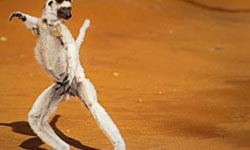
Over 80 per cent of Madagascar's animals and plants are found nowhere else on Earth. Discover what made Madagascar so different from the rest of the world, and how evolution ran wild here.
- TV-Recordings
- No subtitles
- 180
Over 80 per cent of Madagascar's animals and plants are found nowhere else on Earth. Discover what made Madagascar so different from the rest of the world, and how evolution ran wild here.

Revealing the wildlife at home in Madagascar\'s most bizarre and dramatic places.
- TV-Recordings
- Biology
- TV-Recordings
- No subtitles
- 60
Revealing the wildlife at home in Madagascar\'s most bizarre and dramatic places.
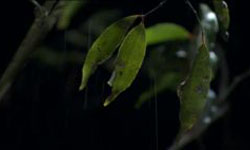
Follows the animals\' fortunes through the wet and dry seasons in this island of extremes.
- TV-Recordings
- Biology
- TV-Recordings
- No subtitles
- 60
Follows the animals\' fortunes through the wet and dry seasons in this island of extremes.
-
Madagascar - Lost Worlds
-
BBC 1
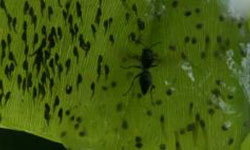
A look at the eastern coast of the island and its unique wildlife.
- TV-Recordings
- Biology
- TV-Recordings
- No subtitles
- 60
A look at the eastern coast of the island and its unique wildlife.
-
Monkey Planet
-
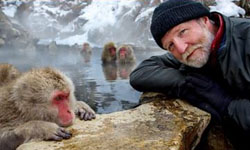
Meet the primates - Your animal family as you've never seen it before.
- TV-Recordings
- English subtitles
- 180
Meet the primates - Your animal family as you've never seen it before.

Our primate family is incredibly varied and surprising. From the ninja tarsier, a spring-loaded ambush predator the size of a tennis ball, to the magnificent herds of geladas in the mountains of Ethiopia, primates have adapted to environments across the planet.
- TV-Recordings
- Natural World
- English subtitles
- 60
Our primate family is incredibly varied and surprising. From the ninja tarsier, a spring-loaded ambush predator the size of a tennis ball, to the magnificent herds of geladas in the mountains of Ethiopia, primates have adapted to environments across the planet.

The key to primate success is that, like us, most species live in close-knit family groups. How do you choose your friends, learn from those around you and know who to trust? We explore the complex world of primate social lifestyles
- TV-Recordings
- Natural World
- English subtitles
- 60
The key to primate success is that, like us, most species live in close-knit family groups. How do you choose your friends, learn from those around you and know who to trust? We explore the complex world of primate social lifestyles

There\'s one thing that sets us primates apart from most other families on the planet, and that\'s a flexible mind. Our primate cousins are much smarter than you might imagine. Just like us they use tools, solve problems, and even have emotions. Monkey Planet discovers how these animals are individuals with a sense of self and why brainpower is essential to primate survival.
- TV-Recordings
- Natural World
- English subtitles
- 60
There\'s one thing that sets us primates apart from most other families on the planet, and that\'s a flexible mind. Our primate cousins are much smarter than you might imagine. Just like us they use tools, solve problems, and even have emotions. Monkey Planet discovers how these animals are individuals with a sense of self and why brainpower is essential to primate survival.
-
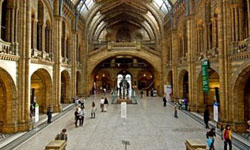
Museum of Life
-
BBC
Jimmy Doherty goes behind the scenes at the Natural History Museum to join the people who are uncovering secrets, solving mysteries and making discoveries among the historic collections
- TV-Recordings
- No subtitles
- 240
Jimmy Doherty goes behind the scenes at the Natural History Museum to join the people who are uncovering secrets, solving mysteries and making discoveries among the historic collections

A look behind the scenes at the Natural History Museum to join the people who are uncovering secrets, solving mysteries and making discoveries among the 70 million items in the historic collections.
- TV-Recordings
- Biology
- TV-Recordings
- No subtitles
- 60
A look behind the scenes at the Natural History Museum to join the people who are uncovering secrets, solving mysteries and making discoveries among the 70 million items in the historic collections.

Jimmy Doherty and the team find out about the discovery of a new dinosaur, the latest thinking on the personality of a T Rex, and what scientists are learning from a human skull over a hundred thousand years old.
- TV-Recordings
- Biology
- TV-Recordings
- No subtitles
- 60
Jimmy Doherty and the team find out about the discovery of a new dinosaur, the latest thinking on the personality of a T Rex, and what scientists are learning from a human skull over a hundred thousand years old.
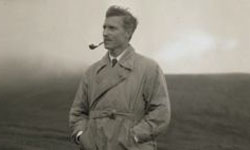
This episode explores projects from the construction of a life-sized whale to a life-saving trip to Uganda. The true image of a dodo is revealed, and a nine-foot sturgeon turns up with the strangest tale of any object in the museum.
- TV-Recordings
- Biology
- TV-Recordings
- No subtitles
- 60
This episode explores projects from the construction of a life-sized whale to a life-saving trip to Uganda. The true image of a dodo is revealed, and a nine-foot sturgeon turns up with the strangest tale of any object in the museum.
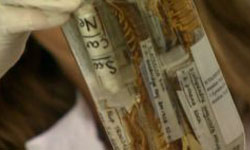
Jimmy Doherty and the team go behind the scenes at the Natural History Museum to enter the extraordinary world of insects. They explore the great butterfly collection, meet the most stung man in the museum and discover how the museum is using insects to help at murder scenes.
- TV-Recordings
- Biology
- TV-Recordings
- No subtitles
- 60
Jimmy Doherty and the team go behind the scenes at the Natural History Museum to enter the extraordinary world of insects. They explore the great butterfly collection, meet the most stung man in the museum and discover how the museum is using insects to help at murder scenes.
-
Rise of the Continents
-
BBC
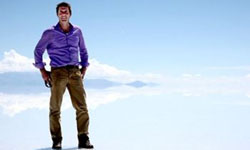
Professor Iain Stewart reveals how our iconic continents were created, and how their tumultuous past has shaped our life today.
- TV-Recordings
- No subtitles
- 240
Professor Iain Stewart reveals how our iconic continents were created, and how their tumultuous past has shaped our life today.

Two hundred million years ago the continent we know as Eurasia - "the vast swathe of land that extends from Europe in the West to Asia in the East" - didn't exist.
- TV-Recordings
- Geology
- TV-Recordings
- English subtitles
- 60
Two hundred million years ago the continent we know as Eurasia - "the vast swathe of land that extends from Europe in the West to Asia in the East" - didn't exist.
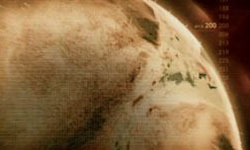
Professor Iain Stewart uncovers clues hidden within the New York skyline, the anatomy of American alligators and inside Bolivian silver mines, to reconstruct how North and South America were created.
- TV-Recordings
- Natural World
- TV-Recordings
- English subtitles
- 60
Professor Iain Stewart uncovers clues hidden within the New York skyline, the anatomy of American alligators and inside Bolivian silver mines, to reconstruct how North and South America were created.
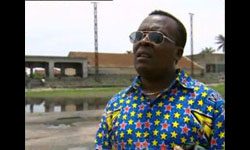
Professor Iain Stewart reveals how our iconic continents were created, and how their tumultuous past has shaped our life today.
- TV-Recordings
- Geology
- TV-Recordings
- English subtitles
- 60
Professor Iain Stewart reveals how our iconic continents were created, and how their tumultuous past has shaped our life today.
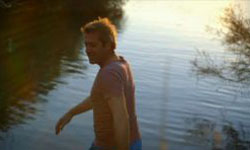
Professor Iain Stewart uncovers the mysterious history of Australia, and shows how Australia's journey as a continent has affected everything from Aboriginal history to modern day mining, and even the evolution of Australia's bizarre wildlife, like the koala.
- TV-Recordings
- Natural World
- TV-Recordings
- English subtitles
- 60
Professor Iain Stewart uncovers the mysterious history of Australia, and shows how Australia's journey as a continent has affected everything from Aboriginal history to modern day mining, and even the evolution of Australia's bizarre wildlife, like the koala.
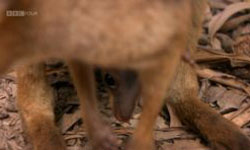
How some species survived the ice age that began 2.8 million years ago.
- TV-Recordings
- Environmental Studies
- Other
- TV-Recordings
- No subtitles
- 60
How some species survived the ice age that began 2.8 million years ago.

In episode two, Fortey focuses on the 'KT boundary'. 65 million years ago, a 10 km diameter asteroid collided with the Earth and saw the end of the long reign of the dinosaurs.
- TV-Recordings
- Environmental Studies
- Other
- TV-Recordings
- No subtitles
- 60
In episode two, Fortey focuses on the 'KT boundary'. 65 million years ago, a 10 km diameter asteroid collided with the Earth and saw the end of the long reign of the dinosaurs.
It is estimated that 99 per cent of species have become extinct and there have been times when life's hold on Earth has been so precarious it seems it hangs on by a thread.
- TV-Recordings
- Environmental Studies
- Other
- TV-Recordings
- No subtitles
- 60
It is estimated that 99 per cent of species have become extinct and there have been times when life's hold on Earth has been so precarious it seems it hangs on by a thread.
-
Walking with Dinosaurs - Episode 01: New Blood
-
Tim Haines, Jasper James
About 20 million years before the appearance of the first dinosaurs, the biggest extinction the world had ever known had occurred. Towards the end of the Triassic, 220 million years ago, there was another extinction, which wiped out many of the non-dinosaurs including the dicynodonts such as Placerias and primitive archosaurs such as Postosuchus. It was after this that dinosaurs really started to radiate and diversify.
- TV-Recordings
- Biology
- TV-Recordings
- No subtitles
- 27
About 20 million years before the appearance of the first dinosaurs, the biggest extinction the world had ever known had occurred. Towards the end of the Triassic, 220 million years ago, there was another extinction, which wiped out many of the non-dinosaurs including the dicynodonts such as Placerias and primitive archosaurs such as Postosuchus. It was after this that dinosaurs really started to radiate and diversify.
-
Walking with Dinosaurs - Episode 02: Time of the Titans
-
Tim Haines, Jasper James
The earliest dinosaurs were pretty small. Eoraptor was only about 1 m long. However the plant-eating prosauropod, Plateosaurus, that appeared at the end of the Triassic period, was a harbinger of things to come.
- TV-Recordings
- Biology
- TV-Recordings
- No subtitles
- 27
The earliest dinosaurs were pretty small. Eoraptor was only about 1 m long. However the plant-eating prosauropod, Plateosaurus, that appeared at the end of the Triassic period, was a harbinger of things to come.
-
Walking with Dinosaurs - Episode 03: Cruel Sea
-
Tim Haines, Jasper James
While dinosaurs were ruling on land, the sea was the dominion of an entirely different group of animals: the marine reptiles. The programme concentrates on these amazing creatures that were every bit as awesome as their counterparts on land.
- TV-Recordings
- Biology
- TV-Recordings
- No subtitles
- 27
While dinosaurs were ruling on land, the sea was the dominion of an entirely different group of animals: the marine reptiles. The programme concentrates on these amazing creatures that were every bit as awesome as their counterparts on land.

-
Walking with Dinosaurs - Episode 04: Giant of the Skies
-
Tim Haines, Jasper James
This episode is set in the early Cretaceous, a time when the world’s continents were breaking apart. It follows an enormous journey made by a giant pterosaur and many different geographical regions are covered in the programme.
- TV-Recordings
- Biology
- TV-Recordings
- No subtitles
- 27
This episode is set in the early Cretaceous, a time when the world’s continents were breaking apart. It follows an enormous journey made by a giant pterosaur and many different geographical regions are covered in the programme.

-
Wonders of Life - 2 : Expanding Universe
-
Brian Cox
Amidst the rich natural history of the United States, Professor Brian Cox encounters the astonishing creatures that reveal how the senses evolved.
- TV-Recordings
- General Science
- TV-Recordings
- No subtitles
- 60
Amidst the rich natural history of the United States, Professor Brian Cox encounters the astonishing creatures that reveal how the senses evolved.
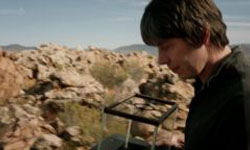
The universe is almost entirely devoid of life. Earth, the planet we call home, seems to defy the laws of physics. It is teeming with life in all colours, shapes and sizes. No-one knows for sure how many different species are alive right now, our best guess is close to 8.7 million
- TV-Recordings
- Astronomy
- TV-Recordings
- No subtitles
- 60
The universe is almost entirely devoid of life. Earth, the planet we call home, seems to defy the laws of physics. It is teeming with life in all colours, shapes and sizes. No-one knows for sure how many different species are alive right now, our best guess is close to 8.7 million
-
Yellowstone - Autumn
-
BBC 4
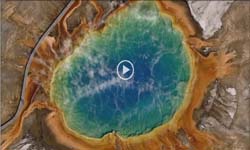
A natural history portrait of a year in Yellowstone, following the fortunes of America's wildlife icons as they face the challenges of one of the most extraordinary wildernesses on Earth.
- TV-Recordings
- Biology
- Geography
- TV-Recordings
- English subtitles
- 58
A natural history portrait of a year in Yellowstone, following the fortunes of America's wildlife icons as they face the challenges of one of the most extraordinary wildernesses on Earth.